Table Of Contents
- AI Integration in Modern Software Development
- Quantum Computing in Software Engineering
- 5G, IoT, and Industry Transformation
- AI-Driven Cybersecurity and Adaptive Defense Systems
- How Low-Code and No-Code Platforms Empower Innovation
- Blockchain's Growing Role Across Industries
- Cloud-Native and Serverless Architecture
- The Future of Human-Centered Software Development
Key Takeaways
By 2026 , software development will be shaped by AI/ML automation, early quantum breakthroughs, pervasive 5G that amplifies IoT and edge computing, and stronger cybersecurity practices. Cloud-native and serverless will become default delivery models, while low-code/no-code expands who can build software. Blockchain moves beyond crypto, AR/VR powers immersive experiences, and sustainability plus human-centered design become baseline requirements for competitive products.
These trends will impact how developers create, deploy, and maintain software. They will also influence business strategies and consumer experiences.
Artificial Intelligence (AI) and Machine Learning (ML) are at the forefront. They promise to enhance software capabilities and automate complex tasks.
Quantum computing is another game-changer. It offers unprecedented processing power, opening new possibilities for software engineering.
The rollout of 5G technology will revolutionize mobile and IoT applications. Faster speeds and lower latency will enable more innovative solutions.
Cybersecurity remains a critical focus. As threats evolve, new defenses and practices will emerge to protect data and systems.
Low-code and no-code platforms are gaining traction. They allow faster development and empower non-developers to create applications.
These trends, among others, will shape the future of software development. Understanding them is crucial for staying ahead in the tech world.
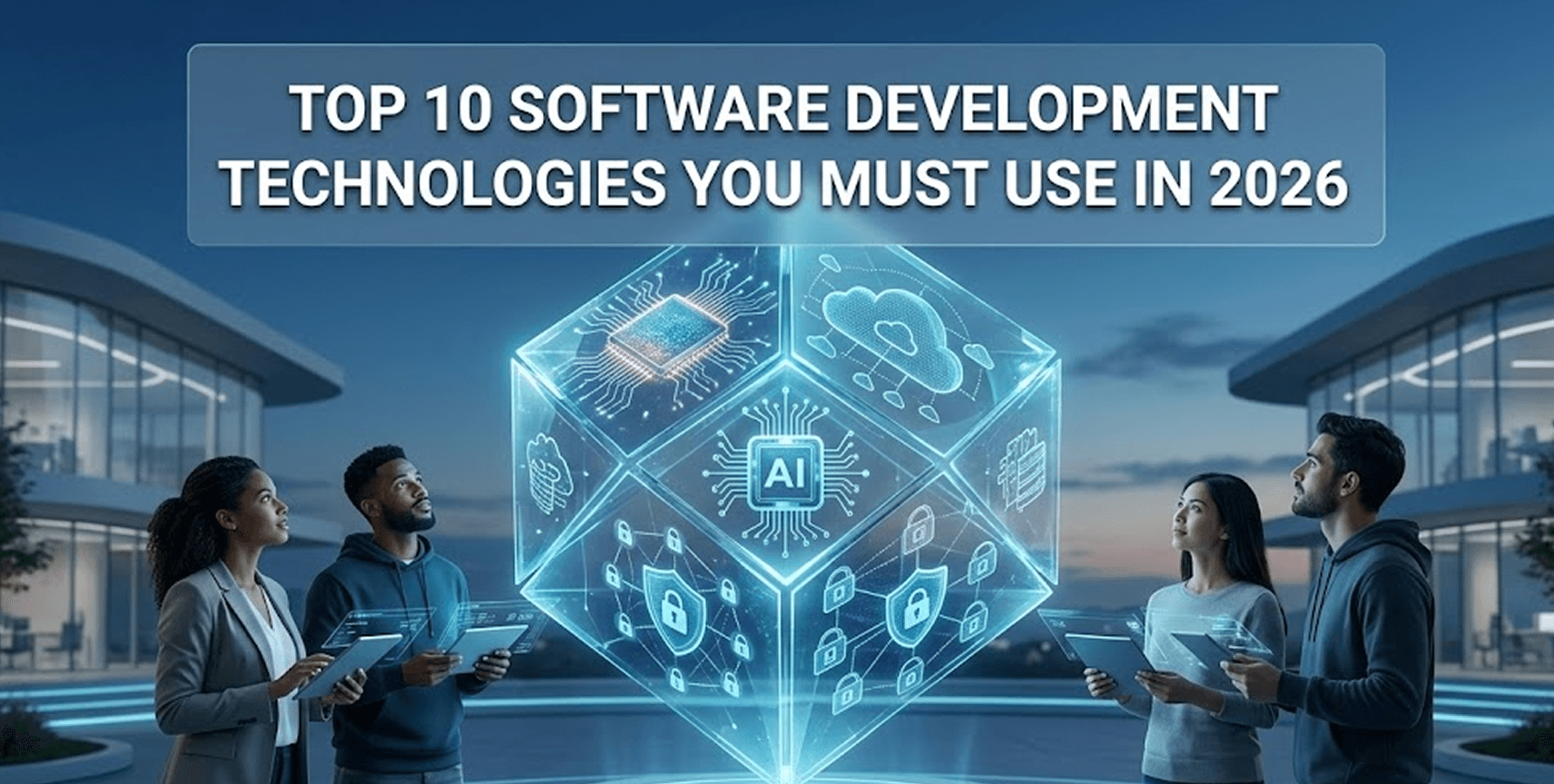
In this article, we explore the top 10 software development trends of 2026.Join us as we delve into the future of technology.
Quick Summary
This article highlights the top 10 software development trends shaping 2026, led by AI/ML automation, quantum computing breakthroughs, 5G-powered IoT, evolving cybersecurity, and the rise of low-code/no-code. It also covers blockchain beyond crypto, immersive AR/VR, edge computing for real-time data, cloud-native/serverless architectures, and sustainable, human-centered design. Collectively, these trends will redefine how software is built, deployed, secured, and experienced-demanding new skills, architectures, and ethical practices from teams and businesses.
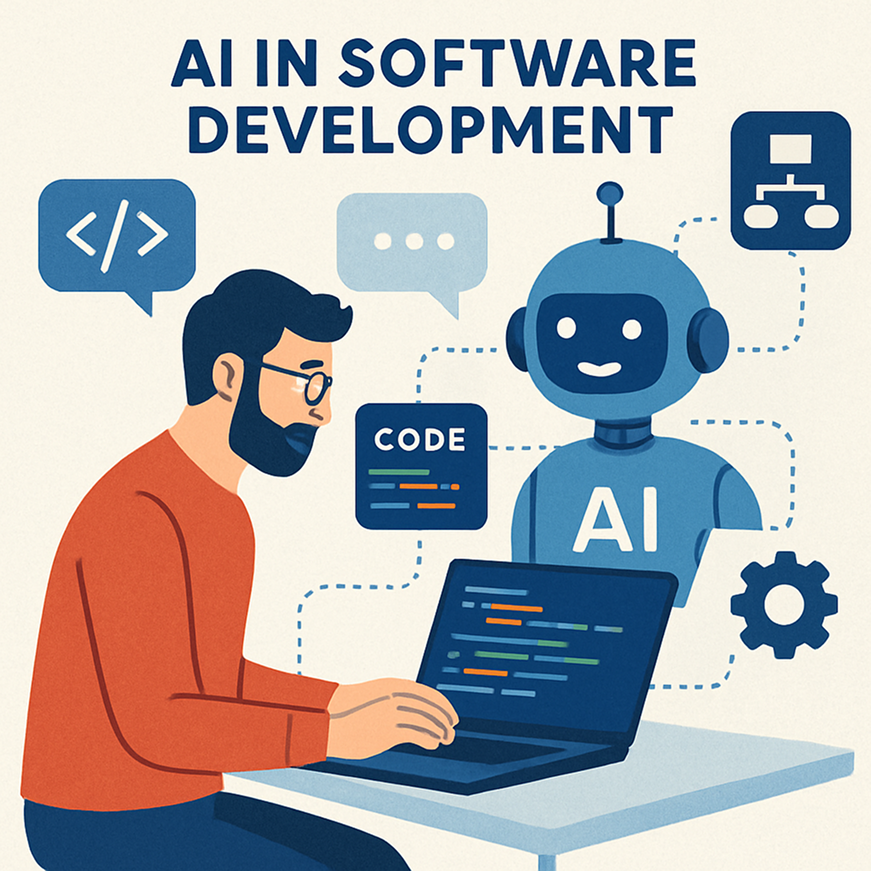
Artificial Intelligence (AI) and Machine Learning (ML) have transformed software development. By 2026, their influence will be even more profound. These technologies automate repetitive tasks and bring efficiency and precision to complex processes.
AI and ML will drive innovation in numerous areas of development. They will enhance everything from software testing to project management. Algorithms can learn and adapt, optimizing workflows in real-time.
Here's how AI and ML impact development:
- Enhanced Accuracy: AI algorithms reduce errors in code and improve testing accuracy.
- Improved Efficiency: Machine learning models streamline development processes and optimize resource utilization.
- Automated Tasks: Routine tasks become automated, freeing developers to focus on creative challenges.
AI Integration in Modern Software Development
Developers can now integrate AI tools into existing workflows seamlessly. This integration improves collaboration and speeds up delivery times. With AI, software can respond dynamically to changing user needs. Moreover, AI-enabled tools will provide insightful data analytics. This data will help developers make informed decisions. Understanding user behavior and performance metrics will become routine.
The growth of AI and ML in software development is inevitable. These technologies are not just trends; they are the foundation of future software solutions. As we advance, the role of AI and ML will expand, revolutionizing the very fabric of software design and deployment.
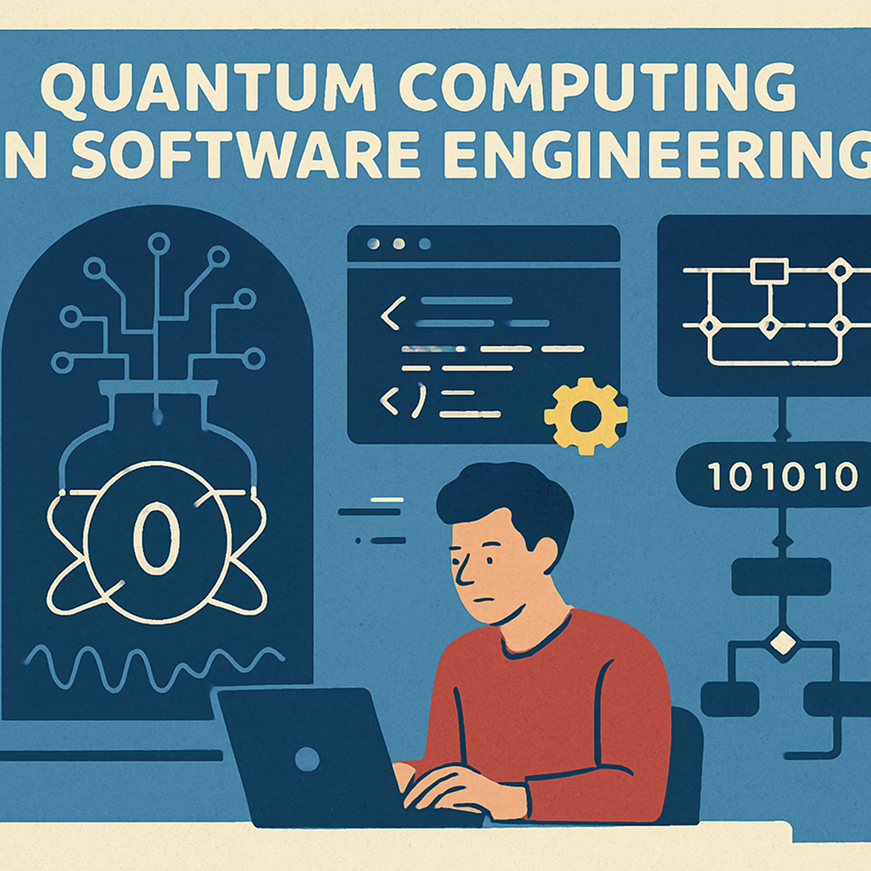
Quantum computing stands at the frontier of technology. By 2026, its influence on software engineering will begin to crystallize. This technology promises to solve problems considered intractable by classical computers. Traditional computing relies on bits to process information. Quantum computing uses qubits, which can exist in multiple states simultaneously. This allows quantum computers to process vast amounts of data quickly.
Key impacts of quantum computing on software engineering include:
- Complex Problem Solving: Solves complex calculations and simulations beyond classical computing capabilities.
- Enhanced Data Processing: Speeds up data-intensive tasks significantly.
- Advanced Cryptography: Offers new methods for securing data, surpassing current cryptographic standards.
Quantum Computing in Software Engineering
Software developers will adapt to harness the power of quantum computing. New programming languages and algorithms will emerge, designed specifically for quantum environments. This shift will drive innovation and open new possibilities.
Quantum computing is not without its challenges. Developers must overcome current hardware limitations and address significant engineering hurdles. Despite these, potential applications in pharmaceuticals, finance, and logistics are compelling.
The integration of quantum computing into mainstream software engineering is a matter of when, not if. Its introduction will redefine how we approach complex computational problems. Preparing for this quantum leap will set forward-thinking developers apart as pioneers in the next wave of software advancement.
The advent of 5G technology is set to revolutionize the IoT landscape by 2026. Its superior speed and reduced latency create fertile ground for innovative developments.
With 5G, devices can communicate and process data more efficiently.
IoT applications will become more sophisticated with 5G connectivity. Expect seamless integration across various devices and platforms. Consumers and businesses alike will benefit from this advancement.
Key enhancements expected with 5G and IoT include:
- Faster Data Transfer: Enables real-time data sharing and analytics.
- Increased Device Connectivity: Supports a higher number of connected devices.
- Improved Reliability: Reduces network downtime and interruptions.

5G, IoT, and Industry Transformation
Industries such as healthcare, automotive, and smart cities will see substantial advancements. Remote patient monitoring will improve, autonomous vehicles will become more viable, and cities will enhance public services through IoT networks.
The marriage of 5G and IoT will also drive economic growth. New business models will emerge, driven by the capability to connect and manage devices intelligently. For developers, this means exploring new frameworks and technologies designed for IoT architectures.
In summary, the expansion of IoT applications, powered by 5G, will transform industries and create novel opportunities. Preparing for this change will require a focus on adaptable solutions and innovative thinking to fully harness the potential of these technologies.
As technology advances, cybersecurity remains at the forefront of software development concerns. In 2026, digital defenses must evolve to counter increasingly complex threats. Hackers are becoming more sophisticated, requiring agile and proactive security measures.
Organizations must prioritize the protection of sensitive data. New regulations and compliance requirements emphasize the need for robust cybersecurity protocols. Companies that fail to adapt may face severe penalties and loss of consumer trust.
Emerging cybersecurity strategies include:
- AI and Machine Learning: Use in threat detection and response.
- Zero Trust Architecture: Restricting network access based on strict identity verification.
- Advanced Encryption Techniques: Protecting data both in transit and at rest.
AI-Driven Cybersecurity and Adaptive Defense Systems
Increased adoption of AI tools enhances threat prediction and real-time response capabilities. As part of this trend, cybersecurity systems are becoming more intuitive and adaptive to changing threat landscapes. They can rapidly identify anomalies and potential breaches, ensuring swift action.
Small businesses are as vulnerable as large corporations. Affordable security solutions are becoming more accessible. Software developers should integrate security into every development phase, emphasizing a security-first mindset.
Looking ahead, collaboration between tech companies and governments will be crucial. They must work together to develop innovative solutions that protect users and uphold privacy. Strengthening cybersecurity protocols will not just safeguard information but will bolster confidence in digital transformations globally.
The rise of low-code and no-code platforms is transforming software creation. These tools enable rapid prototyping and deployment without extensive coding knowledge. The accessibility of development is expanded to non-developers, fostering innovation across sectors.
Key benefits of low-code and no-code platforms include:
- Speed: Accelerate software delivery timelines.
- Cost-Effectiveness: Reduce development resources and expenses.
- Collaboration: Facilitate teamwork between technical and non-technical users.
How Low-Code and No-Code Platforms Empower Innovation
Developers can focus on complex coding tasks as these platforms handle routine application development. This shift enhances productivity across development teams. Moreover, businesses can swiftly adapt to market changes, maintaining competitive advantages.
Startups and SMEs benefit significantly from these platforms. They can launch products quickly without hefty initial investments in technical skills. It democratizes access to technology, leveling the playing field. The future of software development lies in the hands of anyone with a creative idea. low-code and no-code platforms empower more people to turn their visions into reality. This shift redefines the development landscape, making innovation more inclusive and dynamic.
Blockchain technology has roots in cryptocurrency, but its applications extend far beyond digital assets. By 2026, blockchain will revolutionize various sectors, enhancing security and transparency.
Industries such as supply chain, healthcare, and finance are exploring blockchain for traceability, data integrity, and automated contracts. Smart contracts reduce intermediaries and speed up transactions.
Advantages of blockchain applications include:
- Transparency: Immutability of records ensures accountability.
- Security: Decentralized nature reduces single points of failure.
- Efficiency: Smart contracts automate and streamline processes.
Blockchain's Growing Role Across Industries
The supply chain industry benefits immensely from blockchain. It enables precise tracking of goods, reducing fraud and increasing efficiency. In healthcare, blockchain ensures the safe management of patient data, maintaining confidentiality.
As blockchain matures, interoperability between networks will improve. Developers will build solutions that leverage distributed ledgers for trust and reliability across ecosystems.
Blockchain's capability to build trust and reliability will lead to its wider acceptance. By 2026, expect to see its influence woven into many facets of everyday life. This shift will redefine how businesses and individuals interact with digital systems, making processes more secure and efficient.
Augmented Reality (AR) and Virtual Reality (VR) are set to transform how we interact with the digital world. By 2026, these technologies will become deeply embedded in various sectors, offering immersive experiences. Industries like entertainment, education, and healthcare are among the front-runners in AR and VR adoption.
In entertainment, virtual reality brings audiences closer to the action, providing interactive storytelling and gaming environments.
In education, AR and VR tools create dynamic learning experiences. Imagine students exploring ancient civilizations or complex molecules in 3D.
This immersive approach enhances understanding and retention.
Benefits of AR and VR include:
- Enhanced Engagement: Interactive environments capture attention.
- Improved Learning: Visual and hands-on experiences aid comprehension.
- Innovative Entertainment: New dimensions of gameplay and storytelling.
Healthcare is also leveraging AR and VR for simulations and training. These technologies enable medical professionals to practice procedures in a risk-free environment, improving skills without patient risks.
As AR and VR technologies continue to advance, expect more sophisticated applications. These will further blur the lines between physical and digital realities, enriching our daily interactions and experiences. This evolution promises not only to entertain and educate but also to innovate across many facets of life.
Edge computing is transforming how data is processed and delivered. By moving computation closer to the source, latency is reduced and bandwidth is optimized.By 2026, edge computing will be crucial for applications needing immediate data processing.
Industries like telecommunications, autonomous vehicles, and smart cities rely on this technology. For telecommunications, edge computing supports fast, reliable mobile experiences. It processes data closer to users, minimizing lag time.
In the realm of autonomous vehicles, the speed of edge computing is essential. Vehicles need to process data rapidly to make split-second decisions and ensure safety on the roads.
Key advantages of edge computing:
- Reduced Latency: Speeds up data processing.
- Efficient Bandwidth: Limits data transmission to the cloud.
- Enhanced Security: Data processed locally increases privacy.
Smart cities use edge computing to manage complex systems smoothly. Real-time data helps optimize everything from traffic lights to emergency services, improving urban living.
As reliance on edge computing increases, new innovations in hardware and software will emerge. These will further strengthen its role in managing real-time data efficiently. Expect to see more sectors deploying edge solutions to enhance user experiences and operational efficiency.
Cloud-Native and Serverless Architectures
Cloud-native development is reshaping how applications are designed and deployed. It leverages the cloud's full potential to enhance scalability and flexibility. By 2026, most new software will adopt cloud-native principles.
Serverless architecture is gaining traction for its efficiency. Developers can focus on code without managing infrastructure, allowing faster deployment. This boosts productivity and reduces operational costs significantly.
Major cloud service providers like AWS, Azure, and Google Cloud are driving this trend. They offer powerful tools to build, deploy, and scale applications seamlessly. This enables businesses to innovate quickly and efficiently.
Benefits of cloud-native and serverless:
- Scalability: Easily adapts to increased load.
- Cost-Efficiency: Pay only for resources used.
- Flexibility: Rapidly deploy changes with minimal downtime.
Cloud-Native and Serverless Architectures
Cloud-native strategies improve application responsiveness and resilience. The decoupling of software elements means updates and scaling are much easier. These advantages make it a preferred choice for modern businesses.
As these architectures evolve, businesses will see better performance and lower costs. This approach aligns perfectly with the need for fast, reliable digital services in today's market. Thus, embracing cloud-native and serverless solutions is a strategic move for future growth.
Sustainability in software development is becoming crucial. As climate concerns grow, green coding practices are gaining attention. Developers are focusing on creating energy-efficient software.
Human-centered design places users at the heart of the development process. This trend emphasizes accessibility and usability. Inclusive design ensures software serves diverse populations.
According to IBM, this milestone will unlock breakthroughs in drug development, materials science, financial optimization and more industries facing incredibly complex challenges.
https://www.ibm.com/think/news/ai-tech-trends-predictions-2026
And this is just the beginning, according to Ismael Faro, VP of Quantum and AI at IBM Research.
https://www.ibm.com/think/news/ai-tech-trends-predictions-2026
According to White, three forces will be defining open-source AI in 2026: global model diversification, led by Chinese multilingual and reasoning-tuned releases; interoperability as a competitive axis, as frameworks and runtimes align around shared standards; and hardened governance, with security-audited releases and transparent data pipelines.
https://www.ibm.com/think/news/ai-tech-trends-predictions-2026
According to the AI ML development company, this combination has set the pace for automating repetitive tasks.
https://www.manektech.com/blog/software-development-trends-to-focus-on-in-coming-years
By 2026, user-friendliness will be paramount to successful software products. Creating software with a minimal carbon footprint is now a priority. This involves optimizing code to use fewer resources. Efficient software not only saves energy but also reduces operational costs.
Key aspects of sustainable and human-centered development:
- Eco-friendly Coding: Minimizes energy usage.
- User Accessibility: Inclusive design for diverse users.
- Ethical Development: Maintains transparency and fairness.
The Future of Human-Centered Software Development
Inclusive software design reflects societal values. A focus on ethical standards ensures fairness and transparency in software processes. Developers are also addressing biases in algorithms and AI systems. Adopting a human-centered approach enhances user satisfaction and engagement. It ensures software solutions are aligned with user needs and ethical considerations. By 2026, sustainable and human-focused development will likely be the norm across industries.
The software development landscape in 2026 promises groundbreaking transformations. As technology evolves, trends will align software with environmental and societal needs. Developers are focusing more on user-centric and eco-friendly designs. Key areas of development will include AI advancements and enhanced security. These focus areas will improve both efficiency and user experiences. Quantum computing and 5G will further expand software capabilities.
Looking ahead, future software trends will redefine industry standards. The convergence of innovation and ethics will be a prevailing theme. Developers and businesses must adapt quickly to thrive in this fast-paced environment.
- AI and ML Dominate: Advanced automation and integrations.
- Quantum Computing: Enhances processing abilities.
- 5G and IoT Growth: Drives mobile and IoT solutions.